A Colorado divorce can require decisions on parenting, household expenses and property before a final agreement. The Dadvocates represents fathers and men in Denver and across Colorado. We start with what has been filed, what the current orders say, and what needs a decision first.
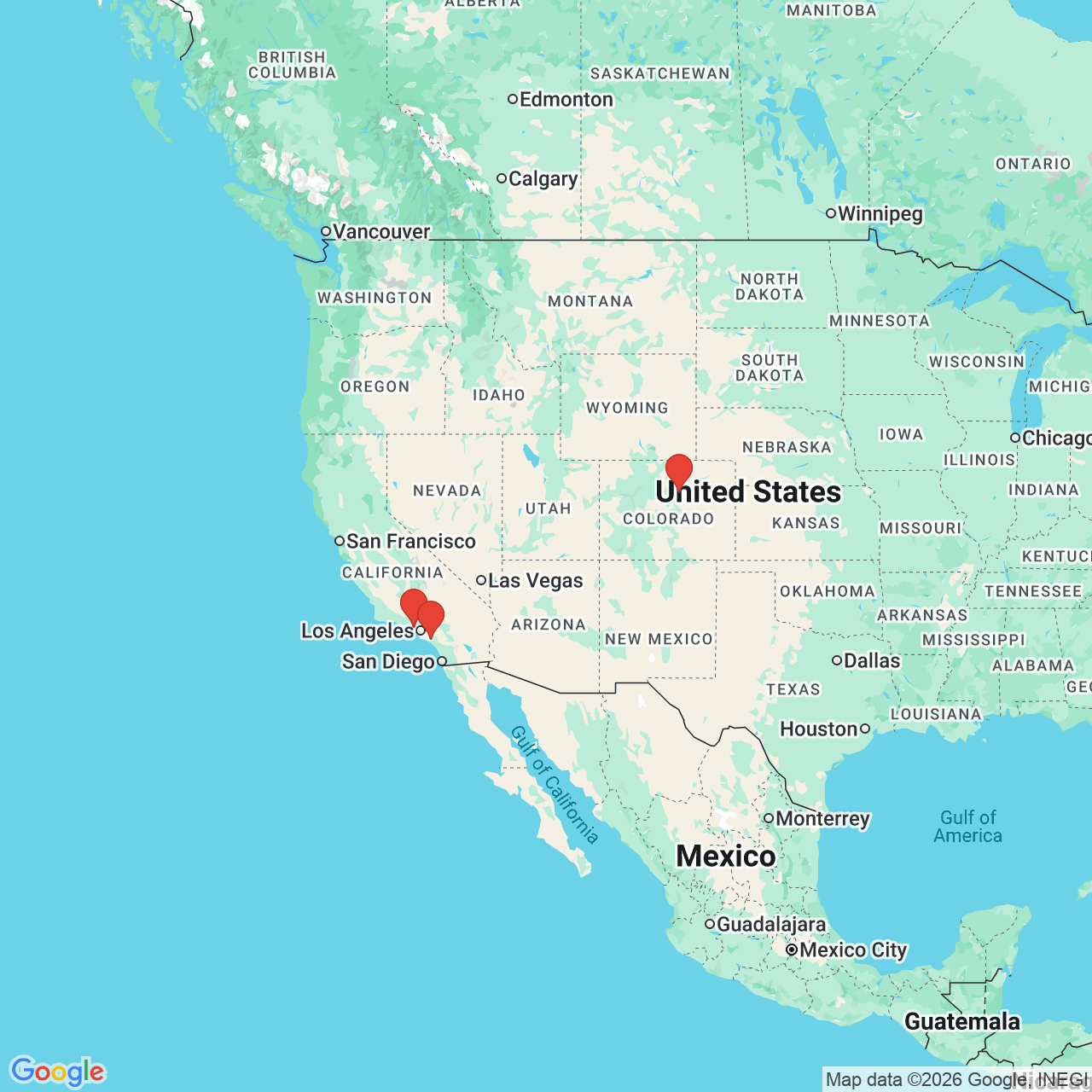
Our Colorado office is in Denver, and we serve clients statewide. If you have papers from more than one county or state, bring them to your consultation and explain which orders are active.
Visit the Denver office page or request a Colorado consultation.
Kristine Johnson
Woodland Hills, CA
2023
Thanks to The Dadvocates' guidance and professionalism, navigating a complex divorce was significantly easier. With their strategic approach and meticulous attention to detail, they ensure their clients receive the best possible outcome.
View on GoogleCathleen Medina
Denver, CO
2023
I can wholeheartedly affirm that The Dadvocates are a source of hope for parents pursuing justice. Their unwavering commitment to their clients' cases is truly inspiring. With their valuable guidance and legal expertise, my friend achieved a favorable outcome and established a healthy co-parenting arrangement.
View on GoogleColorado is a no-fault divorce state. This means that a spouse can file for the dissolution of their marriage for any reason.
In other words, a spouse does not need to be blamed for the end of a marriage. However, a spouse's conduct can affect the outcome of the divorce proceedings, particularly when it comes to child custody and visitation rights.

Colorado is a no-fault state. Under C.R.S. § 14-10-106(1)(a), the court must find the marriage is irretrievably broken and that at least one spouse was domiciled in Colorado for the 91 days immediately before the case began. The court must also wait at least 91 days after it acquires jurisdiction over the respondent, such as through effective service, joining as a co-petitioner or otherwise entering an appearance. Filing alone does not always start that second clock, and reaching the minimum does not guarantee entry of a decree that day. The Colorado Judicial Branch divorce guide (JDF 1010) explains how to start the case.
A decree of legal separation leaves the marriage in place. If you already have one, C.R.S. § 14-10-120(2) and the court’s conversion guide address the separate process and 182-day wait after entry of the separation decree. A declaration of invalidity is a different remedy with specific grounds under C.R.S. § 14-10-111.
Read the petition, summons and any signed orders. C.R.S. § 14-10-107(4)(b) provides for an automatic temporary injunction when its filing and service or waiver requirements are met. It limits certain transactions involving marital property, changes to specified insurance, and taking minor children out of Colorado. The details and exceptions matter. Do not assume an account in your name, an informal agreement, or an older parenting order authorizes a step when an applicable order may prohibit it. Ask which court can clarify the terms, particularly if a separate protection order is in force.
Colorado courts evaluate parenting time and decision-making under C.R.S. § 14-10-124. A family court can make its own findings on qualifying abuse evidence regardless of whether there was a criminal conviction. Allegations alone are not findings. Bring signed orders, dated records and a proposed schedule with practical exchange and safety terms. Read about the child’s best interests and Colorado abuse findings after HB26-1309.
Colorado divides marital property and determines maintenance without regard to marital misconduct under C.R.S. §§ 14-10-113(1) and 14-10-114(2). An allegation does not establish a financial entitlement or disqualification. Document income, resources, needs and other facts the financial statutes address. Under C.R.C.P. 16.2(e), required disclosures are distinct from discovery. Check the court’s mandatory disclosure checklist, JDF 1125, your orders and filing requirements before sending financial documents. Bring account statements, tax returns, pay and benefit records, loan records, and any business or retirement documents you can lawfully access.
An agreement should say who signs each document, who pays while a sale or refinance is pending, and what happens if a deadline or lender approval falls through. An order allocating debt between spouses does not by itself release a borrower from the creditor’s contract. Explore Colorado property division, debt allocation, child support and maintenance. If you already have an order, do not assume that an appeal and a modification request can substitute for one another; seek prompt advice about the correct procedure and deadlines.
Call 720-749-2876 or request a Colorado consultation. Have your filed papers and the date of your next hearing ready. Do not upload sensitive financial records through a public inquiry form.
"The lawyers are passionate about ensuring fathers maintain meaningful relationships with their children. I'm grateful for their legal expertise and commitment to fairness in child support negotiations. I couldn't have asked for better representation." Peter Shaw - 5-Star Google Review - 2023
A parenting court can make its own safety findings under C.R.S. § 14-10-124 regardless of a criminal conviction. An allegation alone is not a finding. Bring every signed order, and see how Colorado domestic violence proceedings may overlap with family court.
What the court finds can affect parenting time, decision-making and conditions for exchanges. The Colorado best-interests and safety standards explain the distinctions.
Colorado determines maintenance without regard to marital misconduct under C.R.S. § 14-10-114(2). Document income, resources, need and other statutory factors rather than assuming an allegation itself determines an award.
Colorado divides marital property without regard to marital misconduct under C.R.S. § 14-10-113(1). Identify what each spouse owns, what is marital, and what financial evidence bears on the listed factors.
Our attorneys will note past allegations of domestic violence and your efforts to reform. We can also seek modification of a protection order so you can have access to your children and be a responsible father.
Preserve complete messages, records, and firsthand accounts. Follow every signed order while counsel reviews how to respond to disputed allegations in each court.
Bring the petition or motion, the signed orders, and the next date. We can discuss which issue needs attention first. Request a consultation or call 720-749-2876.
Juanita Salazar
Denver, CO
2023
Amazing client care and communication. Can't say enough to thank these highly talented law experts!
View on GoogleDebra Phillips
Denver, CO
2023
Their dedication to helping families navigate complex legal matters is evident in every aspect of their work. Their team combines knowledge and compassion to provide guidance and support.
View on GoogleOur lawyers are here to handle every aspect of the complex divorce process.
Parenting time is often called physical custody in other states. Our attorneys can help you seek more parenting time with your child or limit your spouse's parenting time.
Decision making refers to the legal custody of a child, or the amount of influence one parent is legally entitled to regarding a child's education, religion, and other important aspects of their lives.
*According to the U.S. Census Bureau
If it would serve your children's best interests to reside with you, that is the outcome we are prepared to fight for on your behalf.
Courts focus on the best interests of a child when it comes to parenting and caregiving decisions. This essentially means the health, happiness, security, and development of your son or daughter.
Factors that help determine if decisions are in a child's best interests include:
Fathers can depend on The Dadvocates to help the courts make decisions that will best serve their children's needs when it comes to the divorce process and other family law matters.
"Samera went above and beyond to ensure I understood every step of the process, answering my questions clearly and always keeping me informed." Noha Riad - 5-Star Google Review - 2026
If you and your spouse have a prenuptial agreement, your divorce lawyers can review the provisions to confirm their validity and apply them to your divorce proceedings. A properly drafted prenuptial agreement can help avoid a lengthy court battle over financial matters.
Child support covers basic expenses in the upbringing of a child, including medical care and childcare needs. It can also include support for extracurricular activities and college.
Colorado uses a child support guidelines formula to calculate payments, which takes into account both parents' incomes and parenting time. Our lawyers will help ensure fair payment amounts.
As your finances or those of your ex-spouse change, support can be modified. An attorney can pursue payment modifications as needed while putting your child's best interests first.
Division of property, child custody, and visitation rights are decisions that will affect your children - and you - for the rest of your lives. The Colorado divorce attorneys at The Dadvocates help men achieve outcomes that allow them to provide the very best quality of life for their children. To speak with family law attorneys who understand the unique challenges you face, schedule a consultation or call us at:
Premarital property, individual gifts, and inheritances may be separate, subject to the rules in C.R.S. § 14-10-113. Tracing and changes in value can matter. See Colorado equitable distribution and separate property.
Do you and your ex-spouse own a business together? Have you made joint investments or have retirement accounts naming one of you as a beneficiary? These assets are subject to division. It's not a simple process, but the Dadvocates will stand by you to uphold your best interests when it comes to the division of these complex assets.
Also known as alimony, spousal maintenance helps mitigate the financial hardships of a divorce on someone who was not employed or earned less than their spouse. While men are often the primary wage earner in a household, our law firm will settle for nothing less than fair spousal support for stay-at-home dads and men who earned less than their spouses.
Much like changes in child support, it is also possible to seek modifications to spousal maintenance based on financial needs. During these family law disputes, our lawyers can identify financial hardships that affect your ability to make maintenance payments, or increases in your spouse's income that eliminate the need for support.
Nicole Burns
Denver, CO
2022
I'm not sure any other legal practices in the city are as knowledgeable about what is going on in family law, divorce, and criminal defense. The Dadvocates is a top-notch law firm.
View on GoogleMaria Conway
Denver, CO
2022
Referred to The Dadvocates by a close friend of mine who was an ex-client. I had a lot of questions about my divorce cases before we met, and he answered all my questions with care. Their staff is also friendly, knowledgeable, and professional at all times.
View on GoogleBring deployment or transfer orders, your current parenting plan, and military-benefit statements. Colorado’s Uniform Deployed Parents Custody and Visitation Act, C.R.S. Title 14, Article 13.7, addresses temporary parenting arrangements during qualifying deployments. Deployment does not itself change a parenting order.
Colorado requires at least 91 days after jurisdiction over the respondent is acquired; that is not the same as 91 days after filing in every case. Unresolved issues and court scheduling can affect timing. See C.R.S. § 14-10-106(1)(a).
If you or your child is in immediate danger, call 911. Check existing parenting and protection orders before planning a move or an exchange. Colorado law excludes a party’s absence or departure due to specified misconduct by the other party from the best-interests analysis, as provided by C.R.S. § 14-10-124(1.6)(d). Seek advice about safe interim arrangements.
Yes. Common grounds to challenge a prenup include:
Locations
We have 3 locations Two in California. One in Colorado.