If you were served with emergency papers or an exchange or departure is imminent, tell counsel the exact time and what the judge has signed, if anything.
Under California Family Code § 3064, a court generally cannot grant or change custody ex parte without a showing of immediate harm to the child or an immediate risk that the child will be removed from California. Explain why a regular hearing would be too late and how the specific temporary order would address the risk. Recent domestic violence by a parent or sexual abuse of the child, or a demonstrated continuing pattern of those acts, can qualify. The court must consider a parent’s illegal access to firearms or ammunition when assessing immediate harm.
A confirmed imminent departure, supported by messages or travel details, is different from a disagreement about possible future travel. A missed exchange or disagreement about school does not by itself establish an emergency. See California child custody and parenting time for the regular process.
The court may grant all, some, or none of the request, or set a hearing. Read the actual signed order for the effective terms, duration, hearing and service instructions. Rule 5.167 requires personal service of a conformed copy of signed emergency orders on all parties. A pending request or proposed FL-305 does not change who has the child that night.
If you are responding, get the filed application, attachments, declaration and any signed order, note when you received them, and check opposition and appearance instructions right away. Address the specific allegations and requested restrictions with facts and records. Follow all operative orders. A protection order can independently limit contact even when a parenting order says something different. See California domestic violence and protection-order representation.
When the child is present in California, Family Code § 3424 permits temporary emergency jurisdiction for abandonment or when emergency protection is necessary because the child, a sibling, or a parent is subjected to or threatened with mistreatment or abuse. A pending proceeding or prior order in another state can require court-to-court communication and limit the duration of relief. Bring every order and case number; emergency jurisdiction does not automatically give California permanent authority.
Bring current custody and protection orders, papers received or filed, the next exchange or hearing date, and a short factual timeline. Preserve complete messages, travel records, reports, and other records you can lawfully access. Separate what you saw from what you were told. Do not coach or repeatedly question a child, violate a contact restriction, or alter evidence.
Our California divorce page explains how temporary orders fit into a separation. Request a California consultation or call (818) 824-5800. If someone is in immediate danger, call 911.
General information about California family law, not legal advice for a specific case.
Locations
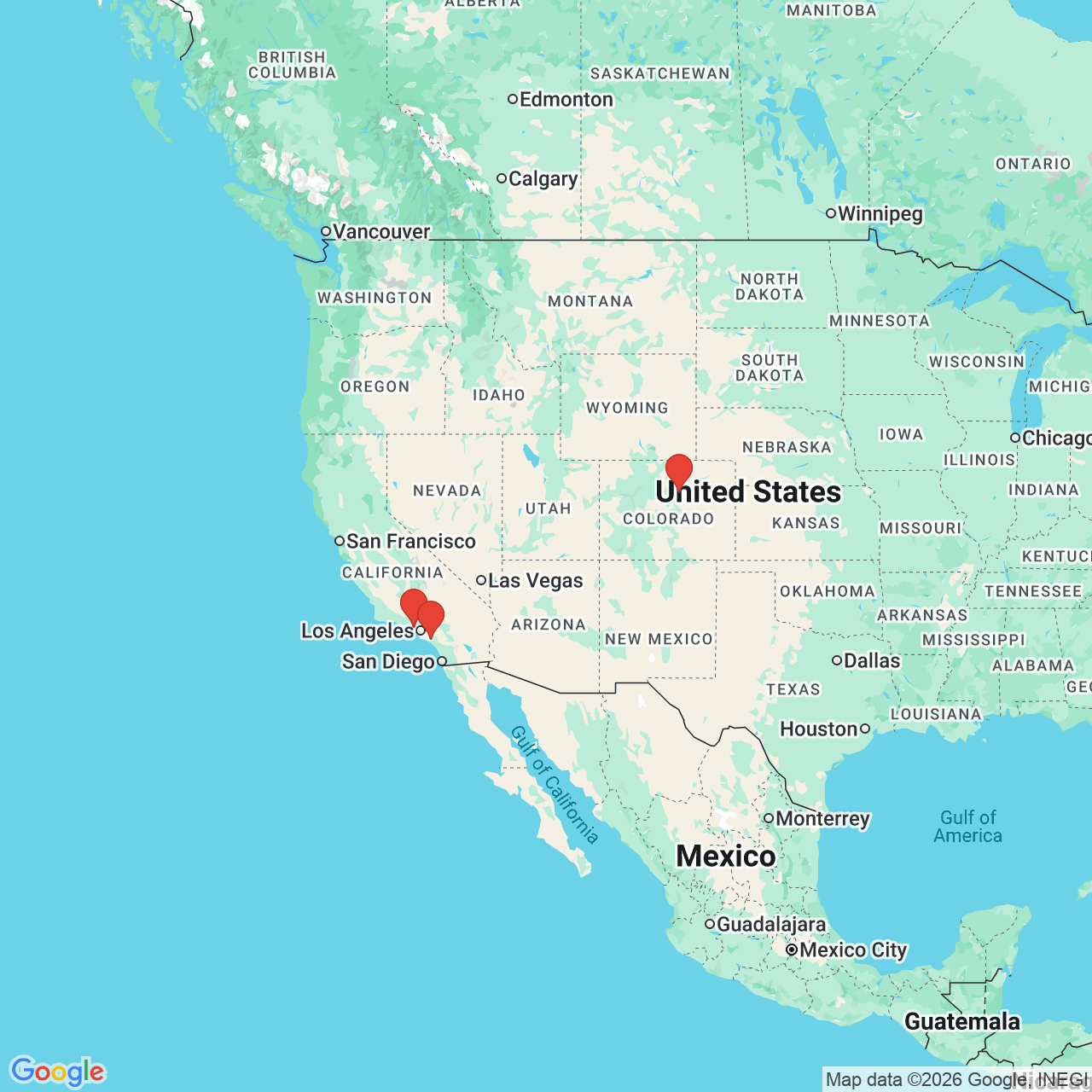
We have 3 locations Two in California. One in Colorado.