Your order says the exchange is at six. You arrived on time three Fridays in a row and went home without your child. Or you were served with papers alleging missed support payments and your bank records tell a different story. Identify the order, the exact dates and the evidence before deciding whether contempt is the right procedure or how to respond.
Disobeying a lawful order can be contempt under Code of Civil Procedure § 1209(a)(5). In a family case, start with the order in effect, what it required, whether the person knew about it, and what happened. A missed exchange does not automatically show willful disobedience. A fixed Friday exchange presents a different issue from an order requiring parents to agree on the time. See the California Courts guide to enforcing custody orders.
Punitive contempt requires proof beyond a reasonable doubt. For nonpayment of child support, California law treats an inability to pay as an affirmative defense, not an additional element the claimant must prove. Where ability to pay was determined when the underlying support or fee order was made, published authority likewise treats inability as a defense. The rules for a nonfinancial order can differ. See § 1209.5, Moss v. Superior Court, 17 Cal.4th 396, 425–428 (1998), and In re Ivey, 85 Cal.App.4th 793, 798–803 (2000).
Bring the signed order and later changes, evidence the other person knew about it, and records tied to each specific date. For support, compare what was due with actual payments and any credits. For custody, preserve complete exchange messages, any agreed change, and records of who appeared or what prevented the exchange.
The Order to Show Cause and Affidavit for Contempt (FL-410) ordinarily uses FL-411 for financial or injunctive orders or FL-412 for domestic violence or custody and visitation allegations, as applicable. Contempt outside the court’s presence requires legally sufficient allegations, proper service, and an opportunity to respond. An amendment may affect preparation and notice. See § 1211, § 1211.5, and § 1212.
Keep the papers, attachments, hearing instructions, and signed orders together. Record when and how you received them, and do not ignore an order to appear. Match each count with the applicable order and the records for that date. A later signed order, payment proof, an exchange instruction, or records showing what prevented compliance may matter. If inability to pay is disputed, bring financial records from the dates charged, not only your current income. Get legal advice before giving a detailed response where jail is possible.
For child, family, or spousal support contempt, the filing period is three years from the date each payment was due. A month not paid in full may be alleged as a separate count. For other Family Code orders enforced by contempt, the period is generally two years from the alleged act. These are contempt limits, not a cutoff for every collection remedy. See § 1218.5, Family Code § 291, and § 4502.
A finding can carry jail, community service, qualifying fines, and attorney’s fees or costs. The § 1218 rules for Family Code orders distinguish first and later findings and allow alternatives to certain penalties. Multiple proven counts can increase exposure. Allegations alone do not establish any penalty.
For unpaid support, an income withholding order or another collection remedy may fit better. A vague parenting schedule may need clarification or modification. A missed visit can also raise questions about make-up time or qualifying expenses. Follow the current order while you ask the court for the remedy you need. See Family Code § 290, § 3028, and the California Courts collection guide.
For related issues, see our California family law, child custody, and child support pages. Request a California consultation or call (818) 824-5800. If you have papers, tell us your hearing date.
General information about California family law, not legal advice for a specific case.
Locations
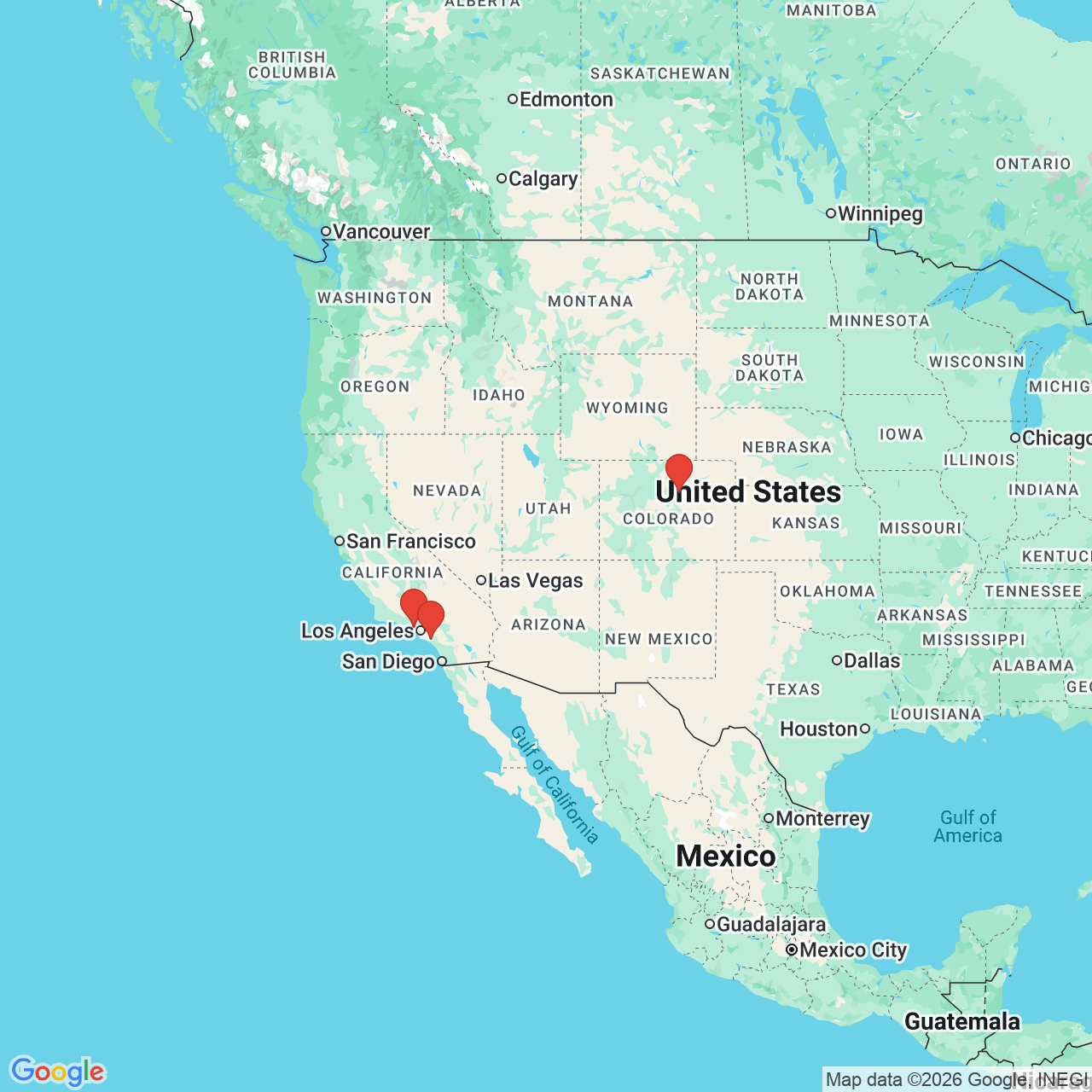
We have 3 locations Two in California. One in Colorado.