California custody decisions turn on what makes this child safe and supported, and what the proposed arrangement looks like in real life. The Dadvocates helps fathers and men across Southern California build a practical parenting plan and back it with evidence.
California Family Code § 3011 directs courts to consider the child’s health, safety and welfare, relevant history of abuse, the nature and amount of contact with both parents and specified substance use. Section 3020 encourages frequent and continuing contact with both parents when consistent with the child’s best interests; safety controls when those goals conflict. Under Section 3040, the court does not award custody based on a parent’s sex or presume joint or sole custody is best merely because of the label.
Legal custody concerns major decisions, including a child’s education and nonemergency medical care. Physical custody concerns where the child lives and spends time. One does not automatically determine the other. A plan for joint decision-making can spell out what requires agreement, how to give notice and how to handle urgent decisions. A parenting schedule should account for school, work hours, transportation, childcare and transitions.
Two plans can give a father the same number of overnights and have very different effects on his child. One may require a long commute and multiple exchanges before school. Another could consolidate exchanges, name the person responsible for pickup and preserve the child’s established care. Show the court an actual week, not just a percentage. See the California Courts parenting plan resources.
A qualifying domestic violence finding within the previous five years triggers the rebuttable custody presumption in Family Code § 3044. That is not the same as an automatic bar on visitation. A court can separately decide whether parenting time should be limited, supervised or subject to other safety conditions. Bring specific facts and relevant records, not just labels.
Under Family Code § 3042, the court gives due weight to the wishes of a child who can form an intelligent preference. A child 14 or older who wants to address the court generally must be allowed to do so unless the court finds that would not be in the child’s best interest and states the reasons on the record. Younger children may also be heard when appropriate. The child does not decide the case. Do not ask your child to choose or tell them what to say.
If you want to change a final custody determination, the question is not always simply which plan is better today. A material custody change after a final judicial custody determination generally requires a significant change in circumstances. Read Montenegro v. Diaz (2001) 26 Cal.4th 249, 256–259. Bring the signed orders, a timeline of what has changed, the child’s actual schedule and a practical proposal.
Speak with our California child custody attorneys. Call (818) 824-5800 or request a consultation.
Locations
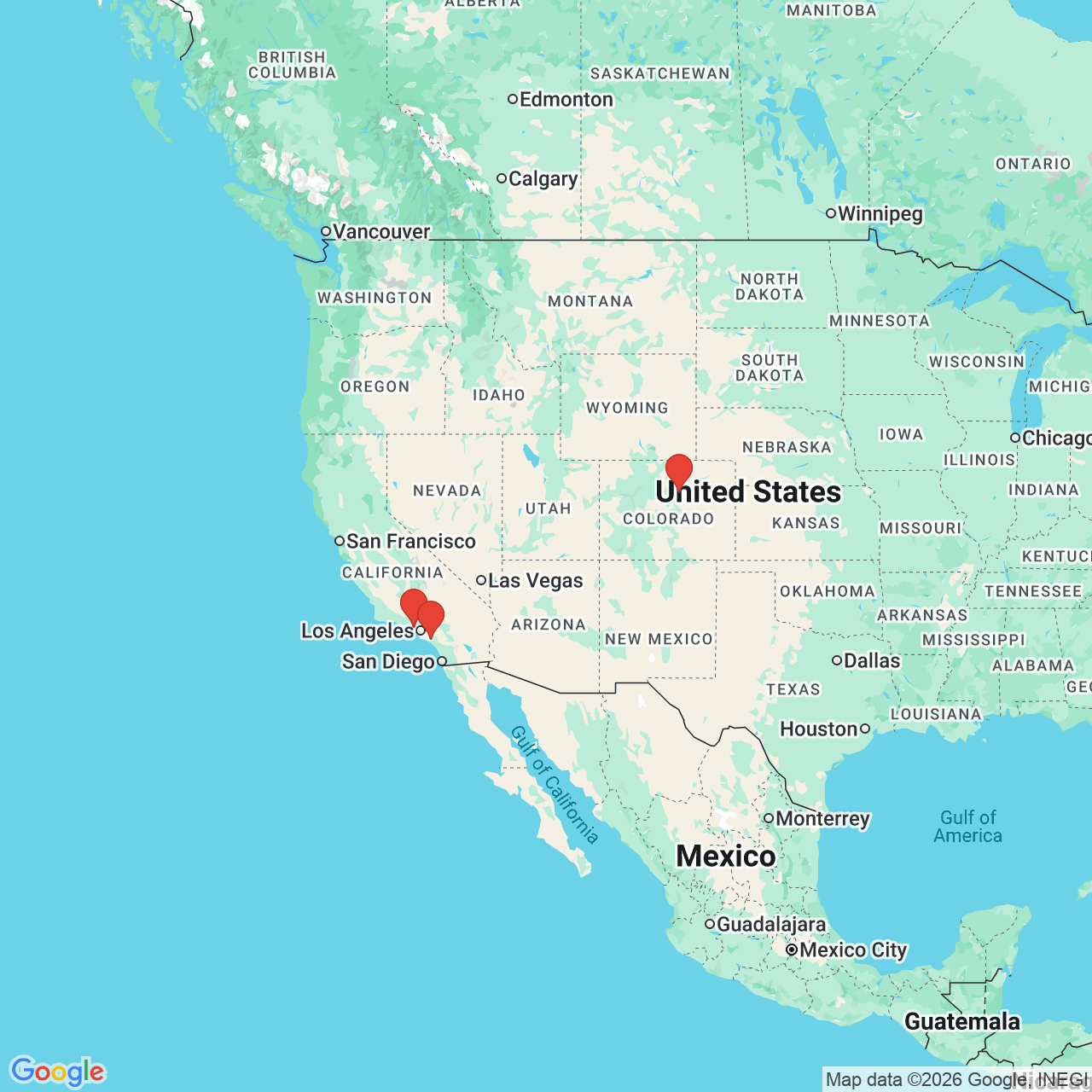
We have 3 locations Two in California. One in Colorado.