A criminal protective order can change what happens at your next child exchange, even if the parenting plan has not changed. You may still have scheduled parenting time but be barred from contacting the other parent or going to the usual pickup location. If your child is named as a protected person, contact with the child may be restricted too. Start with the signed orders, not the calendar or a text from the other parent.
The Dadvocates represents fathers and men across Southern California when a family-related criminal case affects custody or visitation. We compare the orders, identify what needs clarification, and seek a workable parenting plan that honors the court’s safety restrictions. If anyone is in immediate danger, call 911.
A criminal judge can issue a protective order while a case is pending under Penal Code § 136.2(a). At sentencing in qualifying cases, the court must consider a protective order under § 136.2(i). Penal Code § 1203.097(a)(2) separately requires a protective order as a condition of probation when that domestic violence probation statute applies. Check the legal basis, who is protected, and the effective dates. Don’t assume every order expires when the criminal case ends.
A civil domestic violence restraining order is issued in a separate proceeding. Family Code § 6320 authorizes personal conduct restraints, including no-contact provisions. The court can also address custody or visitation under § 6323 and § 6340. Custody and visitation orders made under § 6340 survive the end of the protective order unless changed separately.
The newest order does not necessarily control. Penal Code § 136.2(c) and (e) establishes enforcement priorities. A qualifying emergency protective order controls where it is more restrictive; a no-contact order can also have priority. Subject to those rules, a qualifying criminal protective order takes priority over conflicting civil terms. Nonconflicting provisions remain enforceable. A new parenting plan does not itself lift a criminal restriction. See the enforcement instructions on page 5 of Judicial Council form CR-160.
Read the actual order and its attachments. On the January 2026 CR-160, item 15 addresses no contact, item 16 addresses stay-away terms, and item 17 is an optional, limited exception for peaceful contact for safe exchanges and court-ordered visitation. The boxes checked determine which visitation orders qualify. Permission for an exchange is not general permission to call, text, or use a parenting app. The protected person’s invitation or consent does not change the order.
When a qualifying protective order restrains a parent, Family Code § 3100 directs the court to consider whether the child’s best interests require suspending, denying, or supervising visitation. Under Family Code § 3044, a separate rebuttable presumption applies to an award of legal or physical custody when the court finds qualifying domestic violence by a party seeking custody within the previous five years. That presumption does not automatically rule out all visitation. See California Courts’ domestic violence and custody guide.
If the criminal terms need to change, seek a signed modification from the criminal court that issued them. California Rule of Court 5.445 provides a protocol for communication between courts about related protection and custody orders. Family court can consider a supervised exchange or supervised visitation, but those arrangements must comply with the orders in force. Standard 5.20 addresses supervised visitation and exchange providers.
Tell us when the next hearing or exchange is scheduled, which courts issued the orders, and whether your child is named as a protected person. We can coordinate related criminal defense and child custody representation so that a proposed solution in one case does not create a problem in the other.
Call (818) 824-5800 or request a Southern California consultation.
Locations
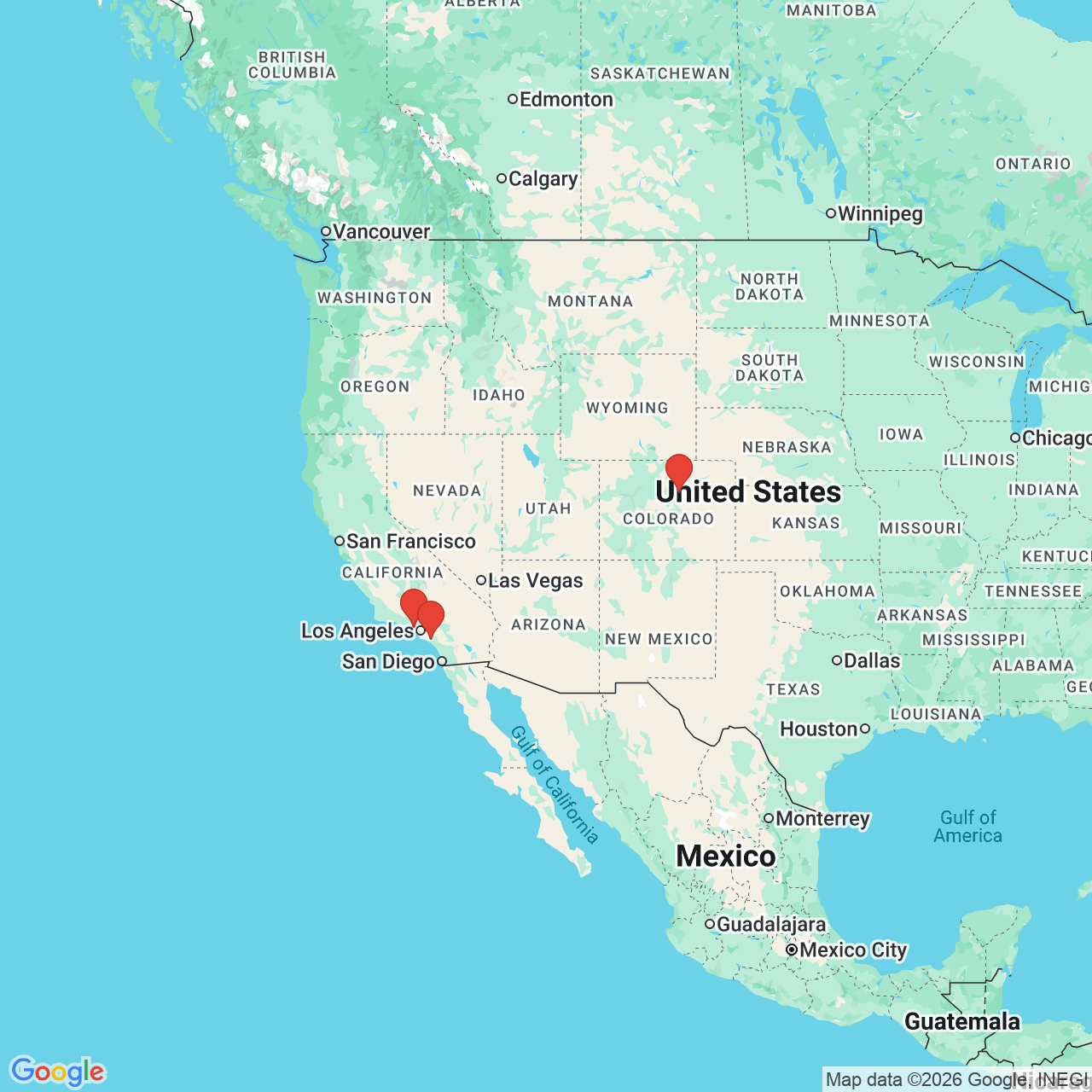
We have 3 locations Two in California. One in Colorado.