Colorado courts decide parenting cases in the child’s best interests, with safety paramount. But that is not the only question in every case. Setting the first plan, changing the number of overnights, requiring supervision, and transferring authority over medical decisions are different requests. They call for different findings and evidence. The Dadvocates helps Colorado fathers identify which standard applies and prepare a record that shows what the proposed order would mean for their child.
Colorado calls custody the allocation of parental responsibilities. Parenting time is when the child is with each parent. Decision-making responsibility is who decides major issues such as education and health care. Under C.R.S. § 14-10-124(1.5)(a), the court considers relevant facts such as the child’s relationships and adjustment to home and school, each parent’s past involvement, the distance between homes and the child’s wishes if sufficiently mature to express a reasoned, independent preference. The child does not decide. On decision-making, the parents’ ability to cooperate matters, subject to specific abuse-related safety rules.
Show who can get the child to school Tuesday, how appointments would be handled, what happens over breaks, and how the schedule fits the child’s needs. Compare actual school or provider options rather than arguing from labels. Colorado Judicial Branch parenting-plan form.
The general standard is whether a change serves the child’s best interests. In In re Marriage of Dale, 2026 CO 35, ¶¶ 38–45, the Colorado Supreme Court held that a reduction in the amount of time alone, however substantial, is not a restriction unless it eliminates parenting time. A condition on how, where or in what setting time can occur can be a restriction. Fewer school-night visits is different from supervision of all remaining visits. Colorado parenting-time reductions after Dale.
If the proposal both substantially changes parenting time and switches the parent with whom the child lives most of the time, C.R.S. § 14-10-129(2) adds a changed-circumstances requirement based on later or previously unknown facts, and the change must be necessary to serve the child’s best interests. The court ordinarily keeps the existing schedule unless a statutory ground applies: agreement, qualifying integration with consent, qualifying relocation, or the specified danger or impairment finding with balancing of harm and benefit. C.R.S. § 14-10-129(1.5) also limits repeat motions within two years after disposition, with affidavit-based danger or relocation exceptions. Bring prior motions and rulings.
To impose a restriction under C.R.S. § 14-10-129(1)(b), the court must find physical endangerment or significant impairment of the child’s emotional development and state specific facts when imposing or continuing the restriction. Identify the risk tied to contact and the exact safeguard you seek.
A motion sufficiently alleging imminent physical or emotional danger due to a parent’s time or contact triggers a hearing and ruling within 14 days of filing under C.R.S. § 14-10-129(4). The statute requires supervision of parenting time occurring during that interval by a suitable unrelated third party approved by the court or a qualified licensed mental-health professional. It is not a final danger finding. In re Marriage of Wollert, 2020 CO 47, ¶¶ 26–27, 31 requires specific grounds, not reciting the statute. A sufficient motion triggers the hearing; credibility is not decided at the pleading stage. Follow the court’s directions and all independently operative orders. Colorado emergency child custody · Colorado Judicial Branch motion form. Call 911 if someone is in immediate danger.
If a restriction already exists, find the order, the facts it rests on, any compliance terms and its expiration, step-up or review provisions. Finishing a class or receiving a favorable report does not rewrite the order. Bring treatment or supervision records as appropriate and a concrete proposal addressing the original concerns. Check any protection or release conditions separately.
A restriction under C.R.S. § 14-10-124(1.6) or the specified Children’s Code provisions follows the distinct procedure in C.R.S. § 14-10-129(2.5). The restricted parent files a verified motion. Within 35 days of filing, the court reviews written allegations and any response for a substantial and continuing change making the existing order no longer serve the child’s best interests, including compliance with conditions. It denies insufficient allegations or sets an expedited hearing. This is not a deadline for restoring contact and does not govern every restriction.
C.R.S. § 14-10-131 generally requires new or previously unknown circumstances and a change necessary for the child’s best interests. It ordinarily preserves the allocation unless a listed ground applies: agreement, qualifying integration with consent, a parenting-time modification warranting the change, or the specified danger or impairment finding with a balance of harm and benefit. The statute has its own two-year repeat-motion rule and affidavit-based safety exception. Explain what decision has become unworkable and what it means for your child.
At initial permanent allocation the court takes the parents’ intended residences as given and decides the child’s best interests, not whether either parent has an automatic right to move the child. Spahmer v. Gullette, 113 P.3d 158, 162–64 (Colo. 2005).
A parent with whom the child resides most of the time proposing a move that substantially changes geographic ties to the other parent must give written notice as soon as practicable, with location, reason and revised plan. There is no automatic presumption for or against such a move. Show the actual tradeoffs in schooling, relationships, travel and preservation of meaningful contact. C.R.S. § 14-10-129(1)(a)(II), (2)(c) · In re Marriage of Ciesluk, 113 P.3d 135, 137–38, 147–49 (Colo. 2005) · Colorado custody and relocation.
House Bill 26-1309 took effect May 27, 2026. Qualifying family-law conduct can count even if not a crime under C.R.S. § 14-10-103. C.R.S. § 14-10-124 requires findings on the record by a preponderance for covered abuse issues and can require safety-focused conditions or limit mutual decision-making over objection. C.R.S. § 14-10-127.5 separately governs certain reunification orders and orders addressing a child’s resistance after abuse findings. A child’s resistance is not itself proof of abuse or improper influence. Colorado custody guide after HB26-1309.
Colorado domestic violence defense discusses protection-order overlap.
Bring the operative parenting plan, protection orders and motions. Compare the existing arrangement and your request side by side, including exchanges, decisions and safeguards. Bring dated records and distinguish your firsthand observations from what was reported to you. If the court appointed a professional, bring the appointment and report. Colorado CFI vs. PRE explains their distinct roles. An investigation does not change orders by itself.
Call (720) 749-2876 or request a Colorado consultation.
General information about Colorado law, not legal advice for a particular case.
Locations
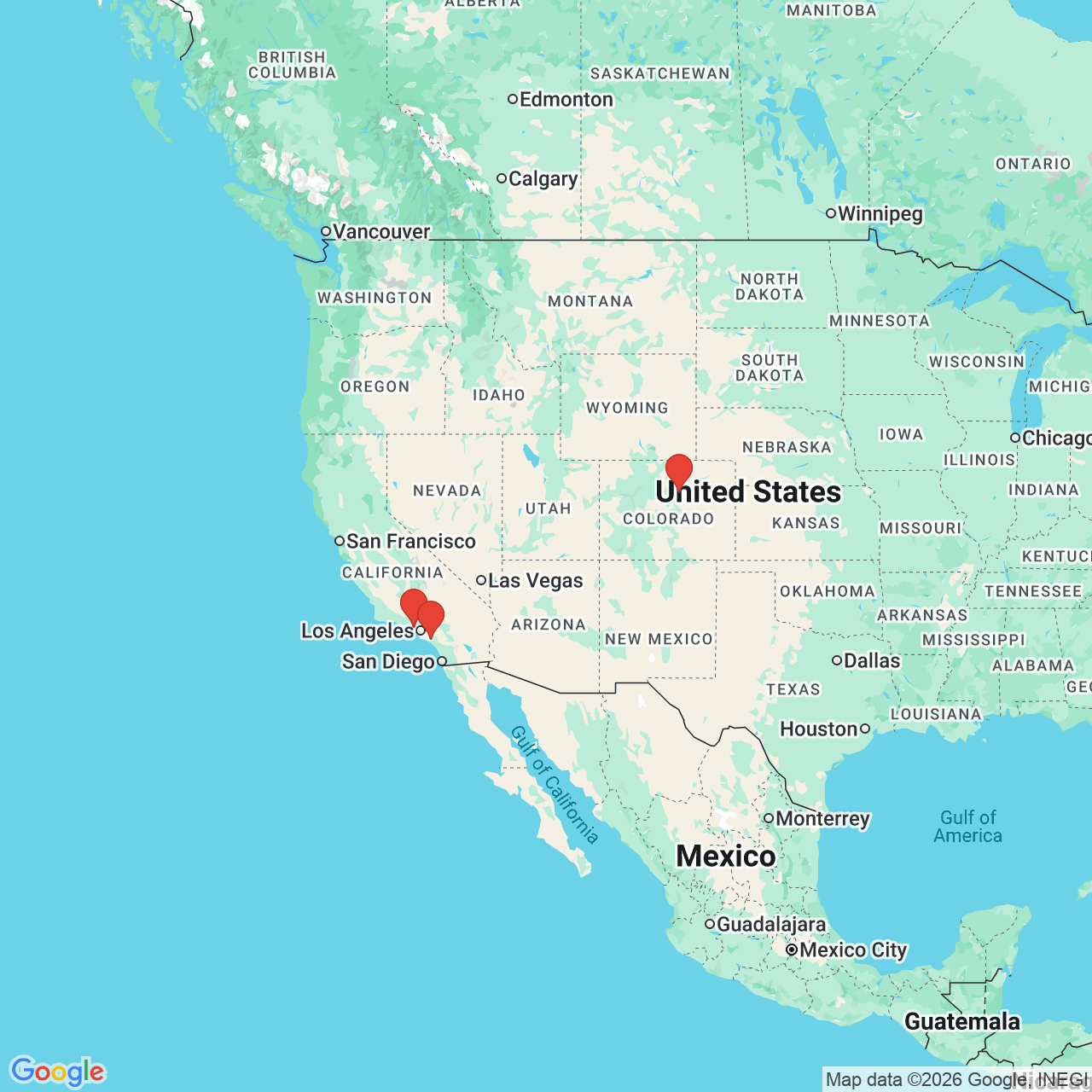
We have 3 locations Two in California. One in Colorado.