Parents, court orders, and children do not always stay in one state. Before the next hearing or exchange, find out which court can make, change, or enforce the order you need.
Request a California consultation or call (818) 824-5800.
Bring the order, the child’s residence history, and the date of your next hearing or exchange.
Your child now lives in California. The last custody order is from Colorado. Or both parents are preparing to file in different states. Before a judge decides what the parenting plan should say, the judge may need to decide whether that court can act at all. The Dadvocates helps fathers and men distinguish four questions: which court can enter a first order, change an existing order, enforce it, or give temporary protection.
Under the Uniform Child Custody Jurisdiction and Enforcement Act (UCCJEA), Family Code § 3402 and § 3421 generally give priority to the child’s home state. Usually that is the state where the child lived with a parent or person acting as a parent for the six consecutive months immediately before filing. Temporary absences count; for a child younger than six months, start at birth. A recent former home state can retain priority when a parent or qualifying caregiver remains there. The statute provides other bases where home-state priority does not control.
In the published California case Schneer v. Llaurado, 242 Cal.App.4th 1276 (2015), the child returned to Florida before her father filed. The Court of Appeal held that California’s recent home-state status and the father’s continued residence here mattered. The lesson is practical: bring the departure date, travel records, and filing dates, not just a current address. This is a public case, not a firm matter.
A California court may be asked to enforce a Sunday return without being able to move the child’s school-year residence. Family Code § 3422 addresses exclusive, continuing jurisdiction; § 3423 limits modification of another state’s order. An out-of-state custody order can be registered under § 3445; see the court’s FL-580 form. Registration does not transfer authority to modify. If two cases are pending, § 3426 governs when California must stay its proceeding and communicate with the other court.
If someone is in immediate danger, call 911. When the child is present in California, Family Code § 3424 can permit temporary emergency jurisdiction if the child has been abandoned or needs protection because the child, a sibling, or a parent is subjected to or threatened with mistreatment or abuse. That is separate from the immediate-harm or immediate-removal standard for an ex parte custody order under § 3064. An existing order or case elsewhere can require court-to-court communication and limit the California order’s duration. Read more about California emergency custody and ex parte orders. A request is not a signed order, and another court’s protection order may prohibit contact or exchanges.
Gather every signed order and amendment, each state’s petition, filing and service dates, upcoming hearings and exchanges, and the child’s residence and travel history. The court’s FL-105 declaration helps organize those facts. Say whether you need a first order, enforcement, a change, or emergency relief. The UCCJEA governs custody, not child support or property division. Our California divorce and California custody pages address those underlying proceedings.
Locations
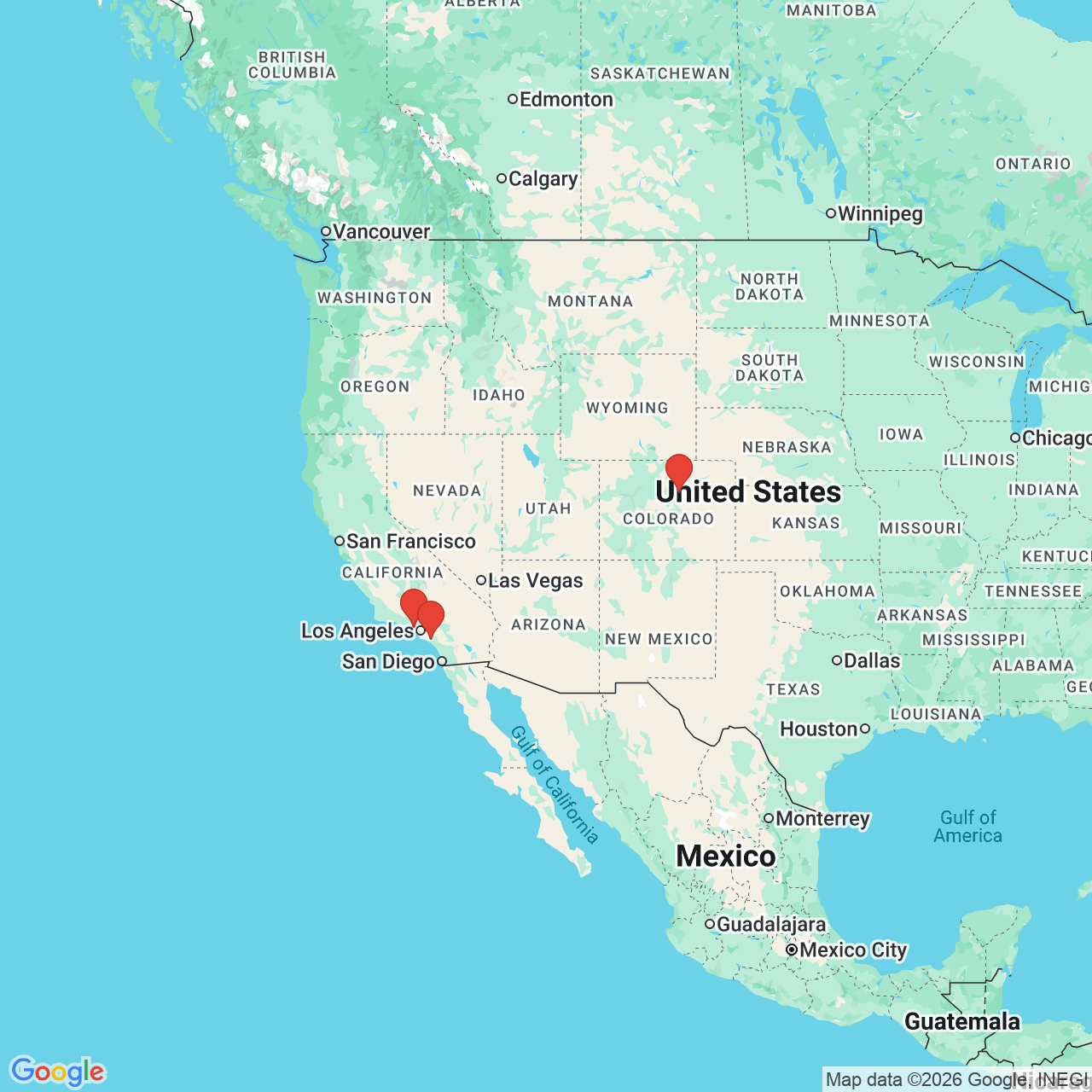
We have 3 locations Two in California. One in Colorado.