A Colorado parenting plan can tell you to pick up your children on Friday. A criminal protection order can forbid contact with the other parent or going to the pickup location. Follow the criminal order. You may need court action to keep the parenting schedule workable.
The Dadvocates represents Colorado fathers and men in family-related criminal cases and related parenting disputes. We read the orders together, explain the restrictions and identify which court can address them.
Colorado requires a mandatory protection order in criminal cases charging offenses under Title 18. The baseline order prohibits harassment, intimidation, retaliation and specified other conduct against victims and witnesses. It does not automatically forbid every conversation or suspend every visit. Additional terms may bar direct or indirect contact or require staying away from people or places. Read the signed order, amendments and any independent bond or release conditions. C.R.S. § 18-1-1001(1)–(3) · Colorado Judicial Branch JDF 440 forms update.
Check who the order protects. If it names your child and bars contact, a parenting schedule does not authorize a visit the order prohibits. If it names the other parent but not your child, contact may still be possible, but the planned pickup or way of arranging it may be prohibited. Read any exact exception: who can communicate, how, about what and where an exchange may occur. C.R.S. § 18-1-1001(3)(a)(II).
A message from the other parent does not modify an order, even if they reached out first. A relative, friend, child or parenting app can be a channel for prohibited contact. Violations can result in a separate criminal charge or contempt. C.R.S. §§ 18-6-803.5(1)–(2) and 18-1-1001(2).
The criminal court handles changes to its order. The defendant can ask that court to modify it and request a hearing. Counsel can assess whether to seek a narrow exception for safe parenting logistics or contact. Filing does not change what is allowed. C.R.S. § 18-1-1001(3)(a)(I), (6).
The family court handles parenting terms. It can consider modifying exchanges or the schedule but cannot authorize a violation of the criminal court’s order. Where the statutory findings apply, protected exchanges and supervision can be safety conditions. C.R.S. § 14-10-124(1.6)(a) · Colorado Judicial Branch parenting-time forms.
In People v. Manzanares, 2025 COA 62, ¶¶ 17–29, the Court of Appeals addressed an order barring contact by a legal parent whose parental rights were intact. When an order infringes on familial association, it requires specific findings on compelling circumstances and whether a less restrictive option can serve the protective purpose. The division remanded for findings; it did not order visits or lift the restrictions.
Do not assume it does. The mandatory order generally lasts through final disposition unless the court orders otherwise. Final disposition can include completion of a sentence rather than just plea or sentencing. The court reviews covered orders at sentencing or other resolution; review does not itself lift the order. Most changes under HB25-1148 apply to orders issued on or after July 1, 2025. Standardized-form changes apply to orders issued on or after October 1, 2025 under HB25-1098, § 3. C.R.S. § 18-1-1001(1), (6.5), (8)(b).
Bring the protection order and amendments, bond conditions, parenting plan, any other protection orders and the next exchange date. Get prompt advice if you cannot tell whether you can comply with both. Do not attempt prohibited contact or an exchange while you seek clarification.
The Dadvocates coordinates Colorado family-related criminal defense and parenting-time representation.
Call (720) 749-2876 or request a Colorado consultation.
General information about Colorado law, not advice about an individual order.
Locations
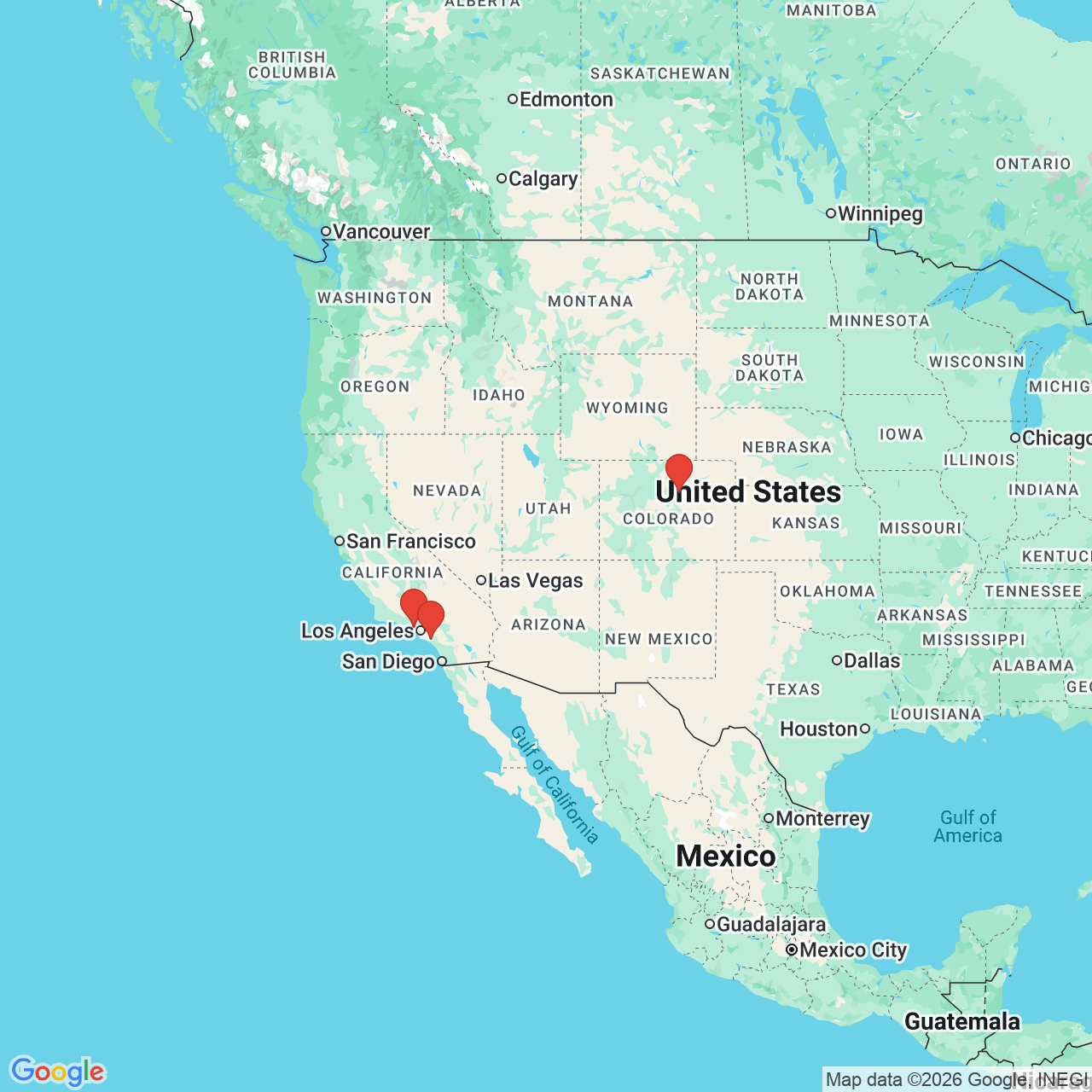
We have 3 locations Two in California. One in Colorado.