A Colorado civil protection order can change where you live, whom you contact, and how you see your children before the court hears both sides. Whether you seek protection or have been served, the immediate priorities are safety, compliance, and preparing for the next hearing. The Dadvocates represents fathers and men in these matters, including cases that overlap with divorce, parenting disputes or criminal allegations.
If anyone is in immediate danger, call 911. Our office is not an emergency response service. Colorado Judicial Branch protection-order guide.
A person seeking an order starts with a verified complaint or motion. Covered grounds include domestic abuse, stalking, sexual violence and certain threats. A judge or magistrate can issue a temporary order after hearing evidence, sometimes before the other person has notice or can respond. The court considers the statutory grounds and whether a risk or threat of physical harm, or threat of psychological or emotional harm, exists. The temporary order is not a final decision on the allegations. C.R.S. § 13-14-104.5.
When a temporary order issues, the initial permanent hearing generally must be set no more than 14 days after issuance of the order and citation. The complaint, order and citation must be served as required by law. The court can continue the hearing under the statute, including if service has not been completed. Follow the date in current court papers. A request for a continuance does not itself reschedule the hearing or suspend the order. C.R.S. §§ 13-14-104.5(9)–(10), 13-14-106(1)(b).
At a contested permanent hearing, the standard is preponderance of the evidence, meaning more likely than not. For grounds other than sexual violence, the court must find qualifying acts and that, unless restrained, the person will continue those acts or acts designed to intimidate or retaliate. For sexual violence, the statute requires qualifying behavior and a risk or threat of physical harm or a threat of psychological or emotional harm. If a properly served respondent fails to appear as cited, the statute requires a permanent order by default without additional testimony. C.R.S. § 13-14-106.
Start with what happened, when it happened, whom it affected, and what protection is needed. Preserve complete records and identify firsthand witnesses if you can do so safely. Think about contact, distance from specific locations and a child’s immediate safety. Do not put yourself at risk to collect evidence or serve papers. The court’s civil protection order guide (JDF 400) explains service.
Read the entire order and citation, follow all restrictions and get prompt advice. An invitation from the protected person is not a modification. Do not use another person, social media or a parenting app if contact is barred. Bring the petition, order, hearing notice, parenting plan and criminal case papers. Violations can result in separate charges or contempt. Restrictions may include firearms or ammunition and relinquishment requirements. C.R.S. §§ 13-14-105 and 13-14-105.5.
A civil order is not a criminal conviction. It does not replace a parenting plan or a separate criminal protection order under C.R.S. § 18-1-1001. If the documents give different instructions about an exchange, contact or access to a home, have counsel review all signed orders and identify relief the appropriate court can give.
Hypothetical: A father receives a temporary order the day before a regular school pickup. His parenting plan permits pickups and school messages, but the temporary order bars contact with the other parent and lists the school as a protected location. He should not go to the school or send a message through someone else based on the old plan. Counsel can seek a lawful alternative if appropriate.
We review the orders, prepare evidence and testimony, and address any overlap with a family or criminal case. We work in person and remotely. Have the court papers and hearing date available.
Call (720) 749-2876 or request a Colorado consultation.
General information about Colorado law, not advice about an individual order.
Locations
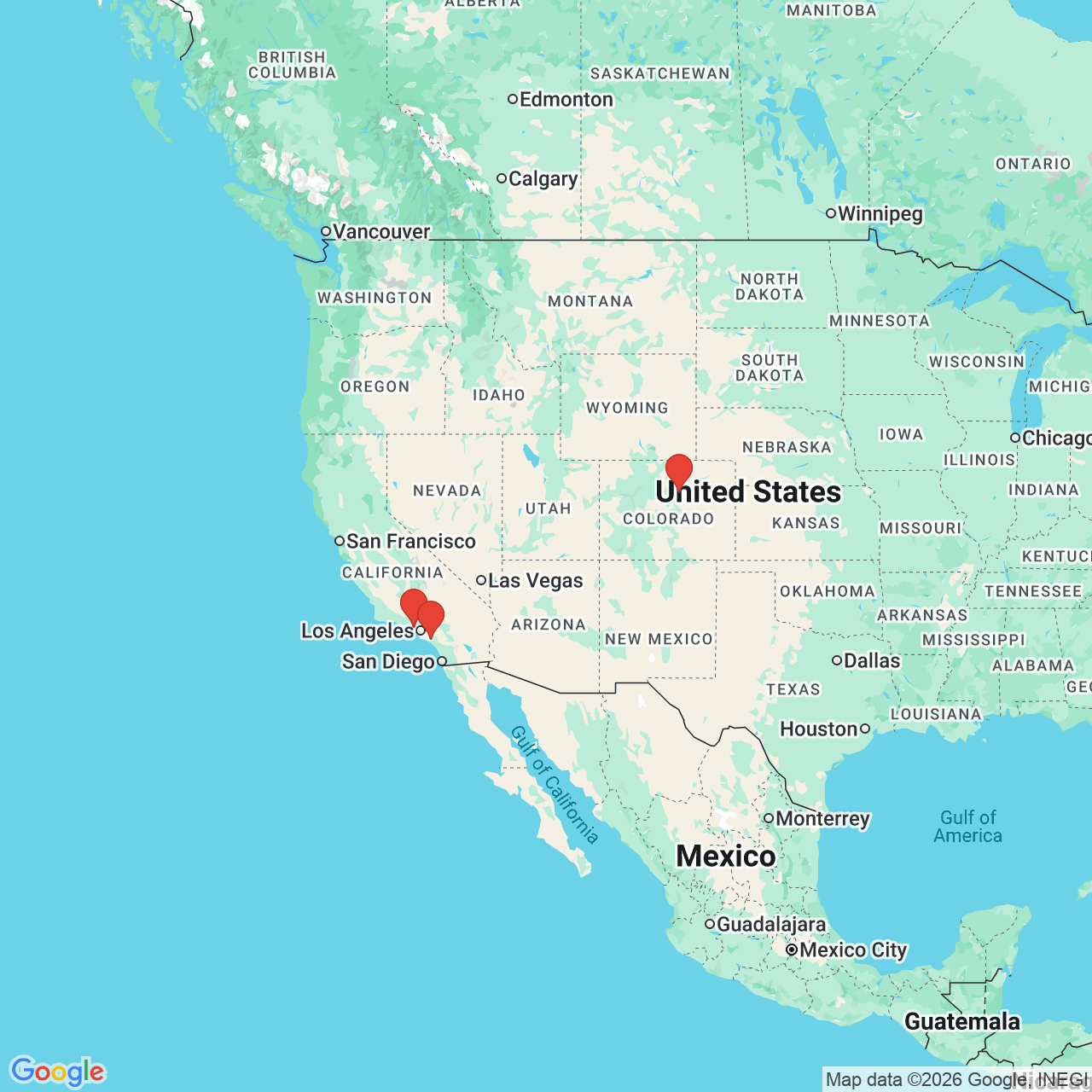
We have 3 locations Two in California. One in Colorado.