When a child is brought to Colorado from abroad or kept overseas, the next step depends on the country, the custody rights in place, and the dates. We help fathers and men assess return proceedings and related state-court options.
Request a Colorado consultation or call (720) 749-2876.
Tell us where your child is now, when the return was expected, and whether you have been served.
If your child has been taken from Colorado and you cannot get a clear return date, preserve the agreement and identify where your child is. If you were served in Colorado with a petition to return the child abroad, do not assume an existing parenting case answers it. A Hague petition asks a different question and can move quickly.
The 1980 Hague Child Abduction Convention provides a civil return procedure for qualifying cases involving children under 16. The State Department’s treaty partner list is a starting point for verifying whether a treaty relationship was in force on the relevant date. In the United States, 22 U.S.C. § 9003 gives U.S. state and federal courts concurrent jurisdiction, with filing where the child is located. Verify which authorized Colorado court is appropriate; the U.S. District Court for the District of Colorado lists its courthouses and filing information. If the child is abroad, get advice on the process there. The U.S. Office of Children’s Issues can help facilitate applications.
The court asks where the child was habitually resident immediately before the alleged removal or retention and whether the conduct breached custody rights under the law there. A parent can consent to travel without consenting to an indefinite stay. Rights can arise from local law, a court order, or a legally effective agreement. A Colorado parenting plan may be evidence but does not settle the treaty questions.
In Livingstone v. Livingstone, a nonprecedential federal decision reviewing a District of Colorado case, the Tenth Circuit affirmed denial of return after the petitioner failed to show the necessary custody rights under applicable Australian law. It is a public example, not a firm case. The Supreme Court held in Monasky v. Taglieri that habitual residence turns on the totality of the circumstances, not on a mandatory parental agreement. Bring records of school, housing, travel, and communications, rather than relying on a passport or address alone.
A return proceeding does not decide permanent parental responsibilities. The Convention identifies potential exceptions such as consent or acquiescence, a sufficiently mature child’s objection, and grave risk of harm. If proceedings begin after one year, settlement in the new environment may be raised; the year is not a filing bar. ICARA assigns different burdens. In Golan v. Saada, the Supreme Court held that the Convention does not categorically require courts to consider measures to mitigate a grave risk before denying return.
Colorado’s Uniform Child Abduction Prevention Act, C.R.S. §§ 14-13.5-104 and 14-13.5-108, can support tailored measures in qualifying cases, including travel or passport safeguards. Do not violate an existing order or attempt a private recovery. If a removal is in progress, contact law enforcement and the State Department. See our Colorado emergency custody page for separate state relief.
Bring the signed orders, key dates, travel permission and full messages, and any papers you received. Request a Colorado consultation or call (720) 749-2876.
Locations
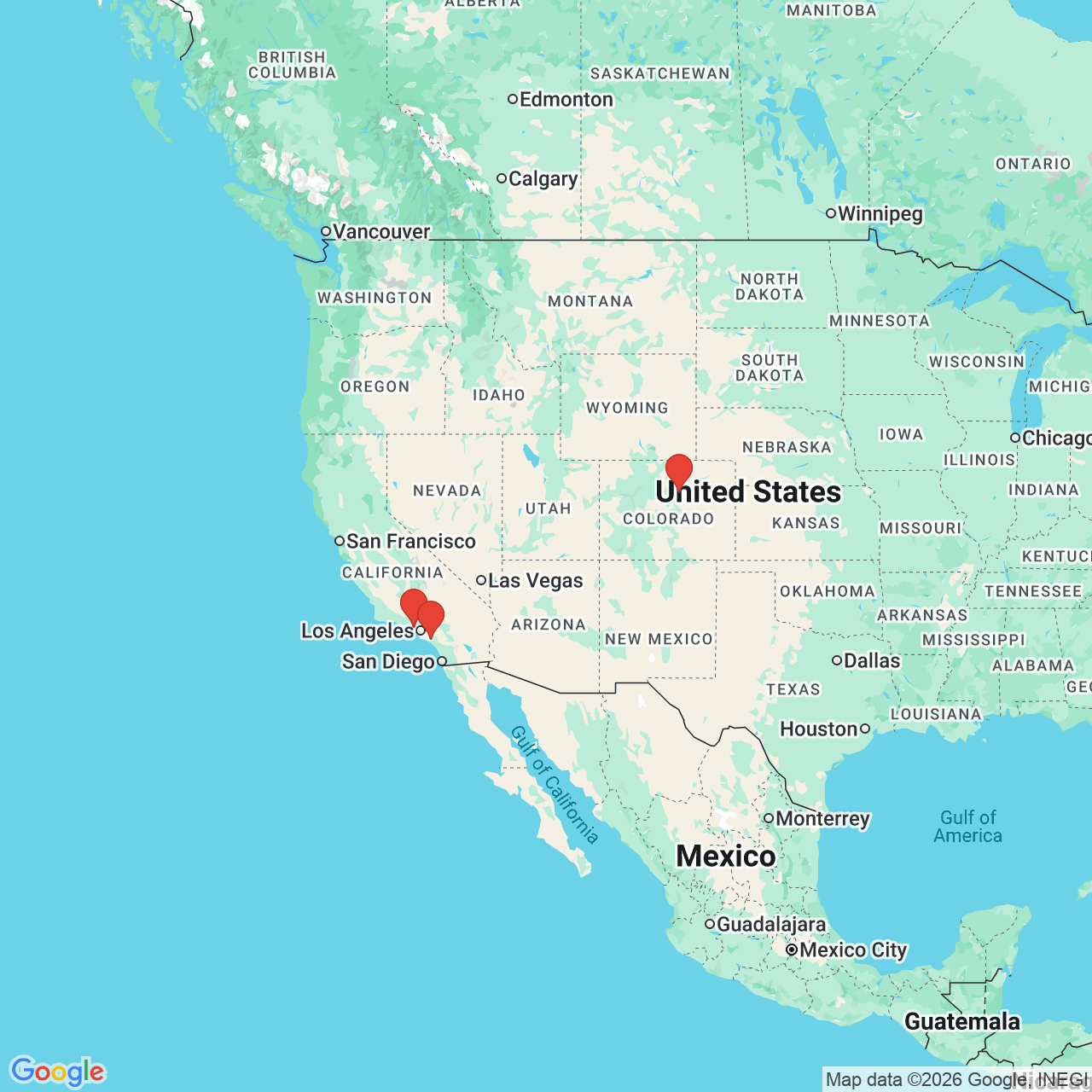
We have 3 locations Two in California. One in Colorado.