When the marriage, the property, or the court cases span more than one state, find out what California can decide and how a judgment will be carried out.
Request a California consultation or call (818) 824-5800.
Bring a list of assets by state and any orders or filings already in place.
You moved to California, but a rental property is still in the state you left and some of your equity compensation predates the move. Your spouse may file elsewhere. The place to file, the law used to classify the assets, and the steps needed to carry out the judgment may be three different questions.
For dissolution, California Family Code § 2320 generally requires one spouse to have lived in California for six months and in the filing county for three months. That is distinct from personal jurisdiction over a spouse who lives elsewhere. See Code of Civil Procedure § 410.10 and the California Courts divorce guide. If two cases are pending, bring both petitions, service papers, and orders. Custody and support have their own interstate rules.
California generally divides the community estate equally, subject to agreement and statutory exceptions. That estate may include qualifying quasi-community property: for example, an asset was acquired when a spouse was domiciled in another state and would have been community property if that spouse had been domiciled in California at acquisition. The current location of an asset does not answer the classification question. See Family Code § 63, § 125, and § 2550.
Suppose a spouse holds restricted equity earned while working in several states. Grant documents, vesting schedules, and what each grant compensated tell us more than today’s portal balance. For a closely held company, identify transfer restrictions and buyback provisions before proposing to divide the interest itself. A settlement that depends on a transfer the company will not approve can leave both spouses back in court.
Under Family Code § 2660, California should, where possible, divide community and quasi-community property without changing the character of the parties’ interests in land in another state. Where that cannot be done, the statute provides alternatives, including requiring conveyance documents or awarding value. An order requiring a spouse to sign documents is not itself a conveyance under the law where the land sits. See Fall v. Eastin, 215 U.S. 1 (1909).
In the public case In re Marriage of Fink, 25 Cal.3d 877 (1979), the California Supreme Court held that the predecessor to § 2660 did not require an in-kind split of two Florida parcels. It illustrates how a California court can address division without treating its judgment as a deed. It is not a firm case or a promise about yours.
Identify who prepares and records the deed, what the title company requires, how an offset will be funded, and what happens if a lender will not release a borrower. If the other state has already entered a judgment, distinguish money relief from an order requiring a signature or transfer. California’s sister-state money-judgment procedure covers qualifying monetary relief and excludes support orders. See Code of Civil Procedure § 1710.10.
Bring the residence timeline, papers from every court, deeds and loan records, ownership agreements, and the documents that trace how each asset was acquired. Read more about California divorce and California property division. Request a California consultation or call (818) 824-5800.
Locations
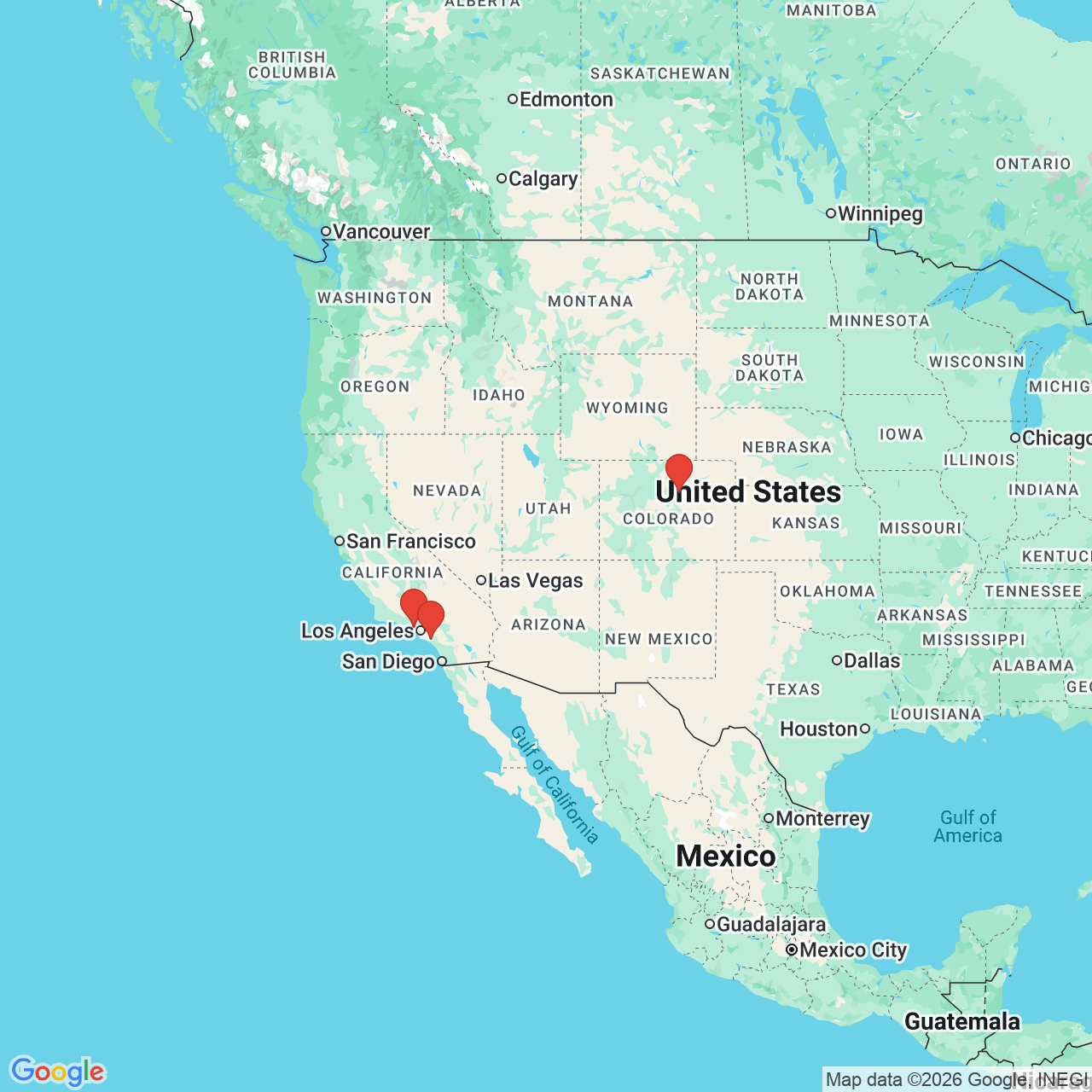
We have 3 locations Two in California. One in Colorado.