A California civil protection order can change who may contact you, where someone may go, and how a parenting exchange takes place. Start with two questions: Which type of order fits the relationship and facts? Has the court signed an order, or only set a hearing?
The Dadvocates represents fathers and men across Southern California who are seeking or responding to restraining orders, including when parenting time is affected. If anyone is in immediate danger, call 911.
A domestic violence restraining order (DVRO) is the civil process for qualifying relationships under Family Code § 6211, including spouses, former spouses, co-parents and current or former dating partners. Under § 6203 and § 6320, abuse need not involve physical injury. Threats, stalking, harassment and conduct that disturbs the peace, including coercive control as defined by statute, may qualify. Family Code § 6300 governs proof of past abuse for issuance. See the California Courts DVRO guide.
A civil harassment restraining order may fit a relationship outside the domestic violence law, such as a neighbor or acquaintance. Code of Civil Procedure § 527.6 addresses unlawful violence, a credible threat of violence, or a qualifying course of conduct. An ongoing disagreement alone is not enough. At the hearing, the judge must find unlawful harassment by clear and convincing evidence. See the California Courts civil harassment guide.
Emergency protective order (EPO). A law enforcement officer can request a short-term order from a judicial officer when statutory conditions are met. Under Family Code § 6256, it expires at the earlier of the close of judicial business on the fifth court day after issuance or the seventh calendar day after issuance. Read the exact expiration on the signed EPO-001. If longer protection is needed, an emergency order does not replace that request.
Temporary restraining order (TRO). A judge can issue temporary terms before the hearing. Read the signed DV-110 or CH-110 and the hearing notice. A notice alone is not a grant of the requested restrictions. For civil harassment, the temporary standard is reasonable proof of harassment and a showing of great or irreparable harm, rather than the after-hearing standard in § 527.6.
Order after hearing. A judge can grant, deny or change requested relief after notice and an opportunity to be heard. Temporary terms do not automatically become long-term orders. For DVROs, see Family Code § 6340 and § 6345. For civil harassment, see the California Courts process guide. Check the latest signed order for terms and expiration.
A DVRO proceeding can include custody and visitation under Family Code § 6323 and § 6340. A qualifying finding that a party seeking custody committed domestic violence within the last five years triggers the rebuttable custody presumption in § 3044. The presumption addresses legal and physical custody, not an automatic ban on visitation. Under § 3100, a qualifying protective order requires the court to consider whether the child’s best interests call for suspending, denying, or supervising visitation.
An ex parte custody request in family court is a separate process. Family Code § 3064 generally requires immediate harm to the child or an immediate risk of removal from California. See the California Courts emergency family order guide. If a criminal order also applies, a civil or custody order does not automatically lift it. Read our California criminal protective orders and parenting time page to see why both orders matter.
Bring every signed order, the hearing notice, the date and method of service, the parenting plan and a dated record of relevant events. Follow signed no-contact and stay-away provisions. An invitation or a preexisting exchange schedule does not change the order. If the paperwork conflicts, seek prompt advice rather than improvising at the exchange.
Call The Dadvocates at (818) 824-5800 or request a Southern California consultation. Our California child custody attorneys can address the parenting issues alongside the civil order.
Locations
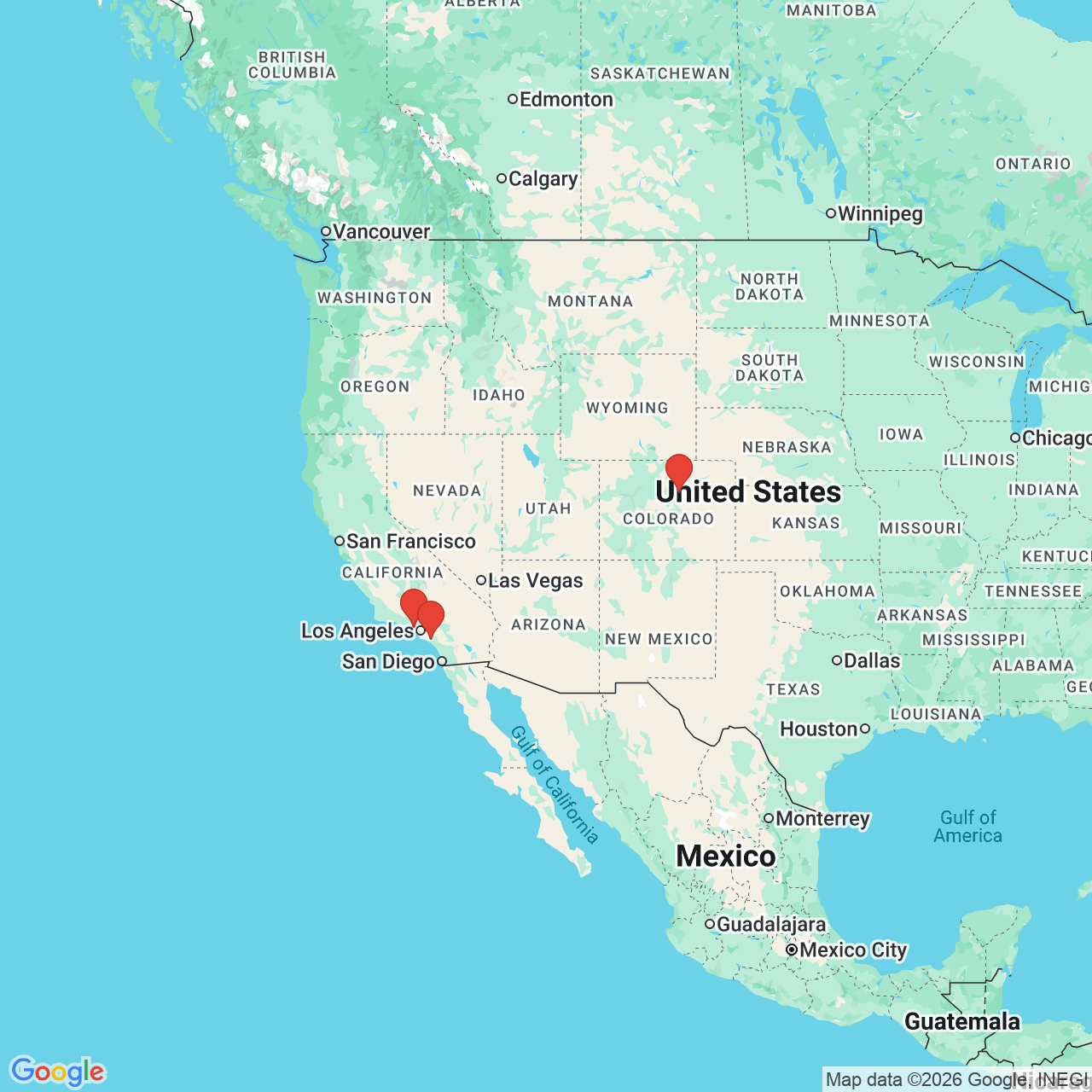
We have 3 locations Two in California. One in Colorado.